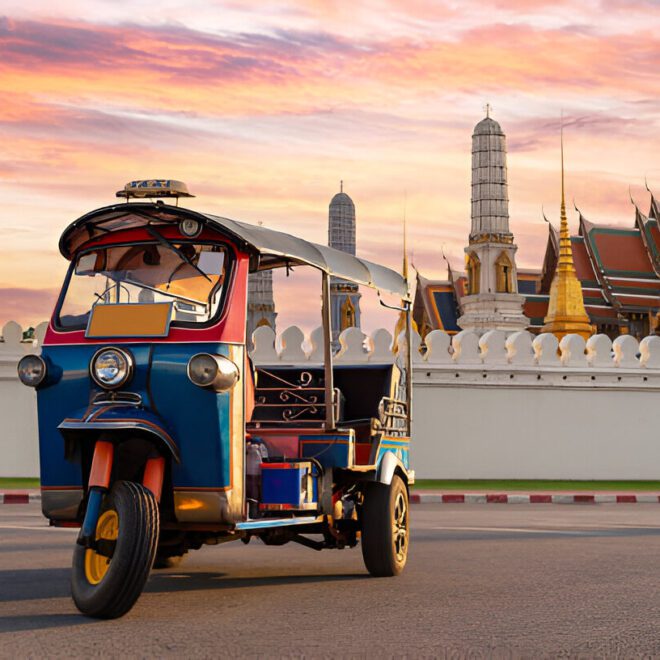

![Thai Cultural Etiquette 15 Dos and Don'ts for Foreigners in Bangkok [year]](https://bangkokdays.com/wp-content/smush-webp/2025/11/Thai-Cultural-Etiquette-15-Dos-and-Donts-for-Foreigners-in-Bangkok-year-scaled.jpg.webp)
Welcome to Bangkok! This city is a whirlwind of sensory delights, from glistening temples to sizzling street food. But beyond the sights and sounds, Thailand has a deep and beautiful culture built on respect, politeness, and a concept of “face.” As a foreigner, you are not expected to know every nuance, but learning a few of the basic Bangkok dos and don’ts will make your trip infinitely smoother and more rewarding.
Thais are incredibly welcoming and famously forgiving of foreigners’ mistakes. However, showing a little understanding of Thai cultural etiquette will earn you immense respect, warm smiles, and a much more authentic experience. This guide is your key to navigating social situations with confidence and grace.
Why Trust This Guide?
As a Thai native and the founder of Bangkok Days, I’ve had the pleasure of introducing countless foreign friends and clients to the subtleties of our culture. I’ve seen the look of delight on a shopkeeper’s face when a visitor returns a wai correctly, and I’ve also witnessed the (usually silent) discomfort caused by an innocent mistake, like pointing a foot at someone. This guide isn’t just a list of rules from a textbook; it’s a practical, real-world guide from a local who wants you to feel truly at home here.
The Golden Rules: The Most Important Dos and Don’ts
| Category | The “Dos” (What You Should Do) | The “Don’ts” (What to Avoid) |
|---|---|---|
| Respect | Do show deep respect for the King & Monarchy. | Don’t touch someone’s head. |
| Greeting | Do return a wai (the prayer-like greeting). | Don’t point your feet at people or sacred images. |
| Temples | Do dress modestly (cover shoulders/knees). | Don’t (if female) touch a monk. |
| Conduct | Do smile and keep your cool. | Don’t raise your voice or “lose face.” |
| General | Do remove your shoes before entering a home. | Don’t step on any Thai Baht (coins or bills). |
The “Dos”: How to Show Respect and Make Friends
These simple, positive actions will be noticed and deeply appreciated by locals.
Do: Show Deep Respect for the Monarchy
This is the single most important rule in Thailand. The King and the entire Royal Family are held in the highest regard. You will see their portraits everywhere.
- What to do: Always be respectful when talking about the monarchy. In a cinema, the King’s Anthem is played before the movie, and you must stand up with everyone else.
- Crucial: Thailand has strict lèse-majesté laws. Never make critical comments, even in jest.
Do: Understand and Return the Wai
The wai (placing your palms together like a prayer) is the traditional Thai greeting. As a foreigner, you aren’t expected to initiate it, but you will receive it often from staff at hotels, restaurants, and shops.
- How to return it: When someone wais to you as a greeting, it is polite to return it. A simple wai with your hands at chest level and a slight nod is perfect.
- Exception: You do not need to wai back to children or service staff (like a 7-Eleven clerk), though a smile and a nod are always appreciated.
Get Connected: Your Guide to Thai SIM Cards
Our 2026 guide makes it easy, comparing AIS, DTAC, and True. We cover the best prepaid and postpaid plans for expats so you can get online fast.
Do: Dress Modestly When Visiting Temples
This is a huge sign of respect. Temples are sacred places, not tourist attractions.
- The Dress Code: You must cover your shoulders and knees. This means no tank tops, short shorts, or revealing clothing.
- My Tip: I always carry a light scarf or sarong in my bag. It’s easy to wrap around your shoulders or waist before entering a temple, like the Grand Palace or Wat Pho.
Do: Remove Your Shoes Often
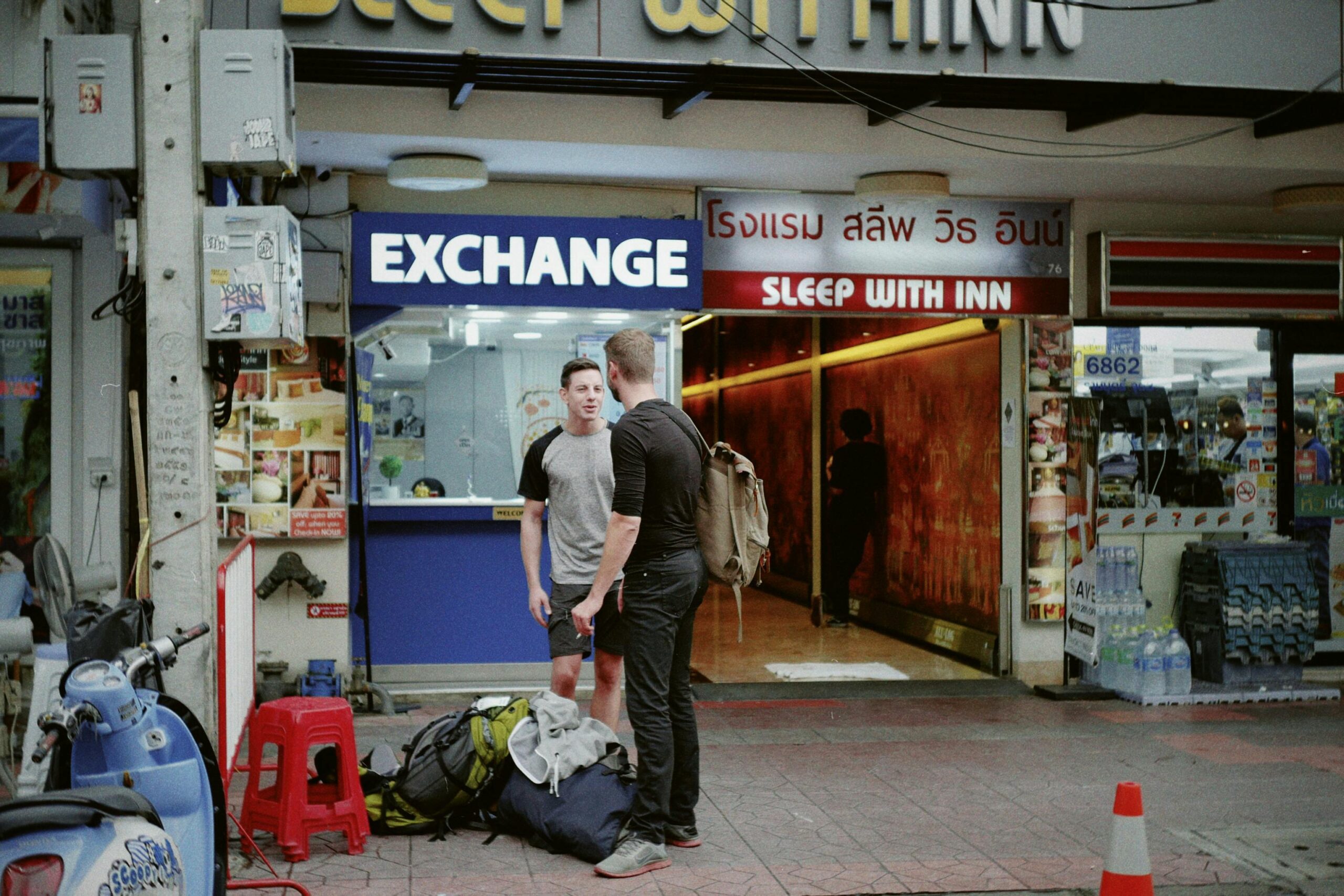
This is a simple but vital rule. Shoes are considered dirty and are left outside.
- When to do it: Always remove your shoes before entering someone’s home. You must also remove them before entering any temple building (like the main bot or viharn).
- Look for clues: If you see a pile of shoes by a shop’s entrance, that’s your cue to take yours off too.
Do: Smile and Embrace “Mai Pen Rai”
You’ll hear the phrase ไม่เป็นไร (mai pen rai) constantly. It means “it’s okay,” “no worries,” or “don’t mention it.” It’s a reflection of the Thai “sanuk” (fun) and “sabai sabai” (easy-going) culture.
- What to do: If your bus is late or your order is slightly wrong, a smile and a “mai pen rai” attitude will get you much further than frustration.
Do: Use Your Right Hand
In Thai culture, the left hand is often considered “unclean,” as it’s traditionally used for personal hygiene.
- What to do: When giving or receiving anything—especially money, a gift, or a business card—always use your right hand. To show extra respect, you can lightly touch your left hand to your right elbow as you offer the item.
Do: Show Respect to Monks
Monks are highly revered in Thai society.
- What to do: Always show respect. If you are seated, a monk should be seated at the same level or higher. Monks are given priority, so let them board the bus or boat first.
The “Don’ts”: Common Mistakes to Avoid
Avoiding these few things will show your deep understanding and respect for Thai culture.
Don’t: Touch Someone’s Head
This is the opposite of the “feet” rule. The head is considered the most sacred and highest part of the body.
- What to do: Never, ever touch a Thai person’s head or hair, not even a child’s (this can be hard, as kids are very cute!). If you do it by accident, apologize immediately with a wai.
Don’t: Point Your Feet
The feet are the lowliest part of the body. This is one of the most common Bangkok dos and don’ts for foreigners to learn.
- What to do: Never point your feet at anyone. When sitting on the floor, especially in a temple, tuck your feet behind you (in the “mermaid” pose). Never rest your feet on a chair or table.
- The Big One: Be very careful not to point the soles of your feet toward any image of the Buddha or the King.
Don’t: Raise Your Voice or “Lose Face”
Public confrontation is a major cultural no-no. Thais place immense value on “saving face,” which means avoiding embarrassment and conflict.
- What to do: If you have a problem, never yell, show anger, or get into a public argument. This will only make the situation worse and cause everyone involved to “lose face.”
- My Tip: A calm, polite, and smiling approach will resolve almost any issue, even if you are frustrated. This is the mai pen rai spirit in action.
Don’t: Step on Any Thai Baht (Coins or Bills)
This is directly related to respecting the King, as his portrait is on all Thai currency.
- What to do: If you drop a coin and it rolls away, do not step on it to stop it. This is considered highly disrespectful. Let it roll, and then pick it up.
Don’t: (If You Are Female) Touch a Monk
This is a very important monastic rule. A monk’s vows forbid him from making physical contact with a woman.
- What to do: If you are a woman, do not hand anything directly to a monk. Place the item on a surface for him to pick up. On a bus or train, do not sit directly next to a monk.
Don’t: Buy Buddha Images Improperly
You will see thousands of Buddha images for sale, but there are rules.
- What to do: It is technically illegal to take unblessed Buddha images out of the country without a special permit. It is also considered disrespectful to buy them as simple home decor (e.g., a Buddha head for your garden).
Don’t: Whistle at Night
This is a fun one! It’s an old superstition, but many Thais still believe that whistling at night will attract ghosts (phi). It’s a small, local belief that’s fun to respect.
Frequently Asked Questions
What is the 'wai' and how do I do it correctly?
What is the concept of 'losing face' in Thailand?
What is the dress code for visiting temples in Bangkok?
Why are feet considered offensive in Thailand?
Is it okay to bargain or negotiate prices in Bangkok?
References
For more in-depth information on Thai culture and etiquette, we recommend these trusted external sources:
- Tourism Authority of Thailand (TAT): The official government tourism body, which provides excellent, reliable information on cultural customs and etiquette for visitors. https://www.tourismthailand.org/
- The Thailand Foundation: An organization dedicated to promoting a deeper understanding of Thai culture, history, and society to a global audience. https://www.thailandfoundation.or.th/

- 25 Best Dim Sum in Bangkok: The Ultimate 2026 Guide - 10/02/2026
- 10 Best International Moving & Relocation Companies 2026 - 31/01/2026
- 20 Best Indian Restaurants in Bangkok (2026 Guide) - 26/01/2026