

![How to Get a Thai SIM Card The Best Mobile Plans for Expats [year]](https://bangkokdays.com/wp-content/uploads/2025/10/How-to-Get-a-Thai-SIM-Card-The-Best-Mobile-Plans-for-Expats-year.jpg)
Welcome to Bangkok! Securing a local Thai SIM card is one of the first and most essential tasks for any expat. A Thai phone number is more than just a means for calls or data; it’s your digital lifeline in Thailand, enabling access to banking apps, food delivery services like LINE MAN, ride-hailing apps like Grab, and QR code payments used everywhere from street markets to upscale malls.
The process of getting connected is fast, affordable, and straightforward, with Thailand’s mobile market dominated by three major carriers: AIS, TrueMove H, and DTAC. However, choosing between a “Tourist SIM” and a “Prepaid Plan,” or deciding on prepaid versus postpaid, can be confusing. This guide breaks down everything you need to know to navigate the process like a local.
Why Trust This Guide?
As a long-term Bangkok resident, my phone is indispensable. I’ve used all three major carriers, switched between prepaid and postpaid plans, and assisted numerous friends and clients in setting up their phones upon arrival at Suvarnabhumi Airport. I’ve learned through experience which plans offer the best value, which apps streamline top-ups, and the exact documentation required. This guide is not just a list of data packages; it’s a practical roadmap based on years of hands-on experience in Bangkok.

Step 1: Get Connected at the Airport (The Tourist SIM)
Upon clearing immigration and collecting your luggage at Suvarnabhumi (BKK) or Don Mueang (DMK) airports, you’ll find kiosks for the “Big Three” carriers: AIS, TrueMove H, and DTAC.
- What it is: Short-term “Tourist SIMs” available for 7, 15, or 30 days, typically offering unlimited data or high data allowances (e.g., 15-50 GB) at speeds up to 5G, depending on the plan.
- What you need: Your passport for registration.
- Cost: Prices range from 299 THB for 7 days (e.g., 15 GB) to 599-999 THB for 30 days (e.g., 30-50 GB).
- Pro Tip: This is the quickest way to get connected upon arrival. I recommend grabbing a Tourist SIM to cover your first few weeks while you settle in. You can switch to a long-term plan later at a mall or carrier shop. The staff at the airport will install and activate the SIM for you in minutes.
Where to Find Kiosks:
- Suvarnabhumi (BKK): Arrival hall, Level 2, near exits 6-7.
- Don Mueang (DMK): International Arrivals, Terminal 1, near exit 6.
Step 2: Choose Your Long-Term Plan: Prepaid vs. Postpaid
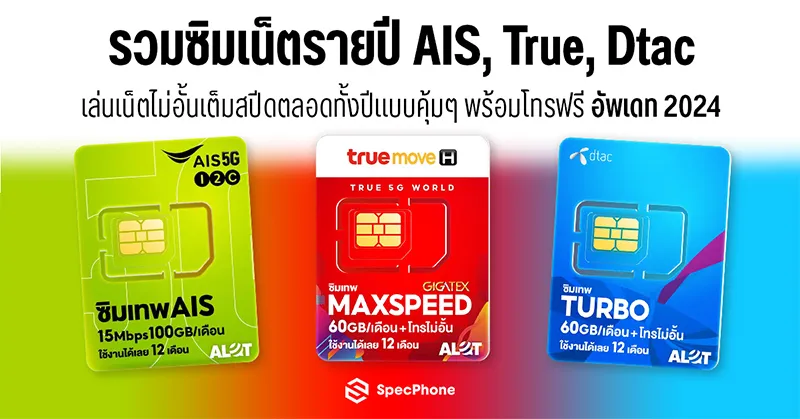
Once your Tourist SIM expires, you’ll need a more permanent solution. The choice between prepaid and postpaid plans depends on your stay duration and usage needs.
Prepaid (Pay-as-you-go) Plans
I recommend prepaid plans for 90% of expats due to their simplicity and flexibility.
- Best for: Short-term stays (less than a year), those prioritizing cost control, or anyone without a long-term visa/work permit.
- How to get one: Purchase at any official carrier shop (e.g., in malls like Siam Paragon, CentralWorld, or MBK), 7-Eleven, Tesco Lotus, or FamilyMart.
- Required Documents: Only your passport for registration.
- How it works: Buy a starter SIM for ~50 THB, then top up with credit (via cash at stores or mobile apps) and purchase a monthly data package (e.g., 300-800 THB for 10-50 GB of 5G data for 30 days).
- Advantages: No contracts, easy to manage, widely available. You can switch carriers or plans anytime.
- Example Plans (as of 2025):
- AIS: 399 THB for 20 GB (30 days, 5G speed).
- TrueMove H: 349 THB for 15 GB + unlimited social media (30 days).
- DTAC: 299 THB for 10 GB + free calls within network (30 days).
Postpaid (Monthly) Plans
Postpaid plans involve a monthly bill and a contract, similar to plans in Western countries.
- Best for: Long-term residents (1+ year), heavy data users, or those seeking device discounts (e.g., iPhone bundles).
- How to get one: Visit an official carrier shop in a major mall (e.g., Siam Paragon, EmQuartier).
- Required Documents: Passport, a valid long-term visa (e.g., Non-B, Non-O, Elite Visa), and a Work Permit or Certificate of Residence (obtainable from your embassy or immigration office).
- How it works: Sign a 12- or 24-month contract with a fixed monthly fee, offering higher data allowances and sometimes discounted devices.
- Advantages: Better value for heavy users (e.g., 50-100 GB for 800-1,500 THB/month), builds credit history in Thailand, and often includes perks like free streaming subscriptions.
- Pro Tip: Postpaid plans are ideal for establishing a financial footprint in Thailand, which can help with future applications (e.g., loans or visas). However, they’re less flexible, and cancellation may incur fees.
The Main Carriers: A Comparison of the “Big Three”
| Carrier | Best For | Key Feature | Website |
|---|---|---|---|
| AIS | Coverage & Speed | Thailand’s largest network with premium, fast 5G | https://www.ais.th/en/ |
| TrueMove H | Package Deals & Ecosystem | Huge network, great promotions, and “TruePoints” rewards | https://www.true.th/ |
| DTAC | Value & Expat-Friendly Service | Strong promotions and user-friendly app | https://www.dtac.co.th/en/ |
A Deeper Look at the Main Providers
Each carrier has a unique edge, tailored to different needs.
AIS: The Quality Leader
AIS is Thailand’s largest mobile network, renowned for its superior coverage and 5G speeds, especially in rural areas and islands like Koh Samui or Chiang Mai. I’ve used AIS in central Bangkok, and the 5G performance is consistently fast and reliable, even during peak hours. Their myAIS app is intuitive, offering English support for checking balances, buying packages, or contacting support.
- Strengths: Best network coverage, reliable 5G in urban and rural areas, English-friendly app.
- Prepaid Plans: Popular options include 599 THB for 30 GB (30 days) or 799 THB for 50 GB (30 days).
- Postpaid Plans: From 699 THB/month for 40 GB + unlimited calls.
- Website: https://www.ais.th/en/
- Service Type: Prepaid & Postpaid
TrueMove H: The Network Giant
TrueMove H, part of the Charoen Pokphand Group, has a massive network, further strengthened by its 2022 merger with DTAC. Their “True Ecosystem” offers perks like TruePoints (redeemable for discounts) and bundle deals if you use True Online for home internet or TrueID for streaming. Their retail presence is extensive, with shops in nearly every mall.
- Strengths: Competitive promotions, integration with True services, strong 5G in urban areas.
- Prepaid Plans: 399 THB for 20 GB + free social media apps (30 days) or 699 THB for 40 GB (30 days).
- Postpaid Plans: From 599 THB/month for 30 GB + TrueID streaming.
- Website: https://www.true.th/
- Service Type: Prepaid & Postpaid
DTAC: The All-Rounder
DTAC, now under the True-DTAC umbrella, is a favorite among expats for its value-driven plans and excellent English-language customer service. Their “Happy” prepaid brand is user-friendly, and their app (dtac app) is straightforward for managing plans or topping up. Post-merger, DTAC’s network coverage has improved significantly, rivaling AIS in urban areas.
- Strengths: Affordable plans, expat-friendly support, easy-to-use app.
- Prepaid Plans: 299 THB for 15 GB (30 days) or 499 THB for 30 GB (30 days).
- Postpaid Plans: From 499 THB/month for 25 GB + free calls within network.
- Website: https://www.dtac.co.th/en/
- Service Type: Prepaid & Postpaid
The Modern Alternative: Getting an eSIM
If you have a modern smartphone (e.g., iPhone 12 or later, Samsung Galaxy S21 or later), an eSIM is a convenient, eco-friendly option.
What is an eSIM?
An eSIM is a digital SIM embedded in your phone, eliminating the need for a physical card. It allows you to maintain two numbers (e.g., your home number and a Thai number) on one device, ideal for expats who want to keep their original number active.
How to Get One
- For Tourists: Purchase a Thai eSIM before arriving via platforms like Nomad or Airalo. These services offer short-term plans (e.g., 7-30 days, 10-50 GB) that activate upon landing. I’ve used Nomad for travel, and the setup is seamless—download the eSIM via QR code, and you’re connected instantly.
- For Expats: Visit an AIS, True, or DTAC shop to convert a physical SIM to an eSIM or get a new eSIM plan. You’ll need your passport, and for postpaid eSIMs, a long-term visa and work permit. The process takes about 10 minutes.
- Cost: eSIM plans are priced similarly to physical SIMs (e.g., 299-999 THB for tourist plans, 300-800 THB for monthly prepaid packages).
Pro Tip: Ensure your phone is eSIM-compatible and unlocked before purchasing. Most modern phones support eSIM, but check with your device manufacturer.
Sending Money To or From Bangkok?
Our 2026 guide details the cheapest and fastest ways to transfer money internationally and avoid high fees at the bank.
How to Top-Up (Refill) Your Prepaid SIM Card
Topping up your prepaid SIM is simple and can be done in multiple ways.
- In-Person (The Old Way): Visit a 7-Eleven, FamilyMart, or Tesco Lotus, provide your phone number and carrier, and pay in cash (minimum 50 THB). The cashier will add the credit instantly.
- Digital (The Pro Way): Once you have a Thai bank account, use your bank’s mobile app (e.g., K PLUS, SCB Easy, Bangkok Bank Mobile) to top up. Select the “Top Up” option, enter your phone number, choose an amount, and pay via your account. Alternatively, use the carrier’s app (myAIS, True iService, dtac app) to top up with a linked bank card or mobile payment.
- Other Options: Top up via ATMs, online banking websites, or carrier websites.
Pro Tip: After topping up, use the carrier’s app or USSD codes (e.g., *121# for AIS) to purchase a data package. This ensures you get the best value rather than paying per MB.
Frequently Asked Questions
What do I need to get a Thai SIM card?
Which carrier has the best 5G coverage in Bangkok?
Can I get a SIM card at Suvarnabhumi (BKK) Airport?
Can I keep my home number with a Thai eSIM?
What happens if I don't top up my prepaid SIM?
References
For more on telecommunications and living as an expat in Thailand, we recommend these trusted external sources:
- National Broadcasting and Telecommunications Commission (NBTC): The official government regulator for all telecommunications in Thailand. Their website is the primary source for official rules and consumer rights. https://www.nbtc.go.th/
- Thaiger: A popular English-language news and lifestyle portal in Thailand that frequently covers and compares mobile plans, carrier news, and practical tips for expats. https://thethaiger.com/

- 25 Best Dim Sum in Bangkok: The Ultimate 2026 Guide - 10/02/2026
- 10 Best International Moving & Relocation Companies 2026 - 31/01/2026
- 20 Best Indian Restaurants in Bangkok (2026 Guide) - 26/01/2026