
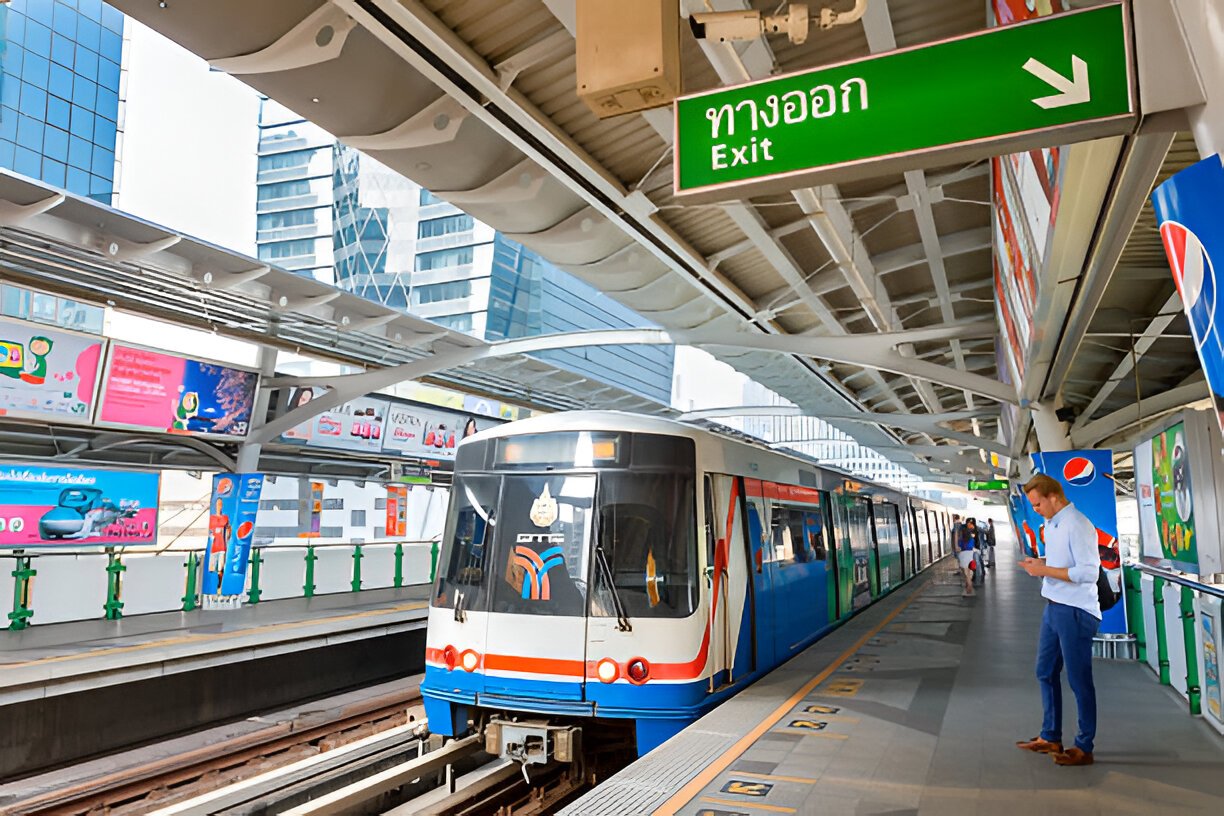
Navigating Bangkok’s traffic is a rite of passage for any traveler, but the secret to surviving the “Big Mango” is staying above or below the gridlock. The Bangkok BTS Skytrain and MRT networks are the lifelines of the city, whisking you from the shopping malls of Siam to the street food of Chinatown in cool, air-conditioned comfort.
As of 2026, the network has expanded massively. We now have the Yellow and Pink monorail lines reaching into the suburbs, and new payment methods that finally make life easier for tourists. However, the system remains a bit fragmented—what works on one line might not work on another. This guide cuts through the confusion, offering you the latest fares, maps, and local hacks to travel seamlessly.
Why You Can Trust Us
We don’t just read about Bangkok; we commute here. Our team has sprinted to catch the last train at Asok, tapped our credit cards on the MRT turnstiles (and cheered when it worked), and stood in the long queues at Mo Chit to buy a Rabbit Card so you don’t have to. We update this guide regularly with “on-the-ground” checks—verifying that yes, you still can’t use your BTS card on the subway, and yes, the AC on the trains is still freezing cold.
Understanding the Systems
Bangkok’s rail network is divided into several different operators, which is often the source of confusion for newcomers. They are separate systems, meaning they often require separate tickets.
- BTS Skytrain (Green Lines & Gold Line): The elevated trains that run through the main commercial and tourist districts like Sukhumvit, Silom, and Siam.
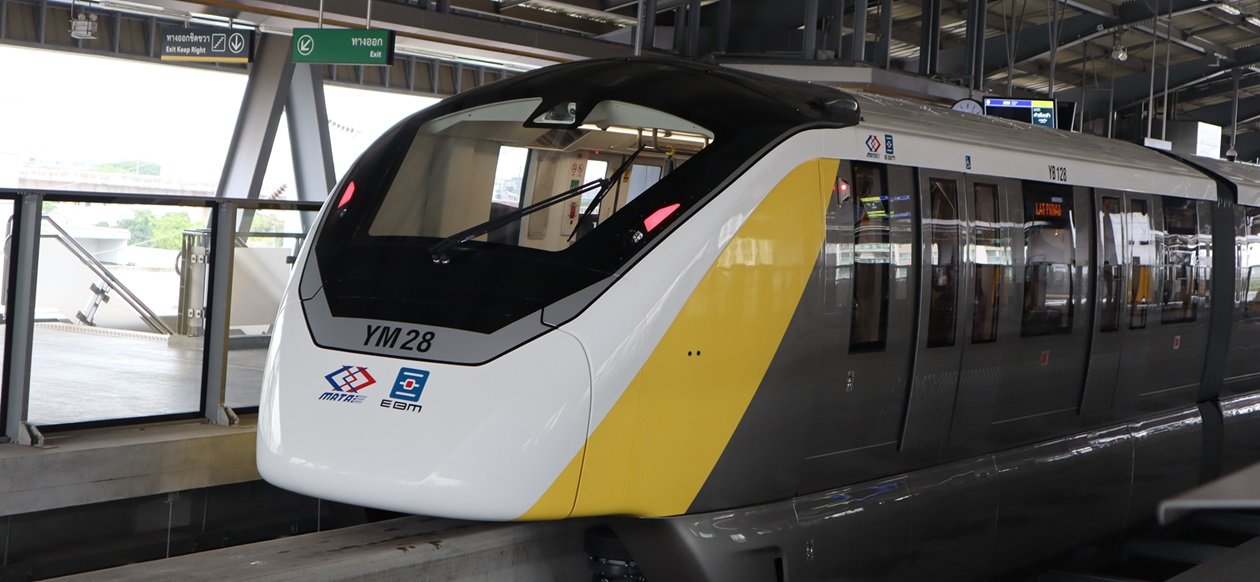
- MRT (Blue, Purple, Yellow, Pink Lines): The subway (Blue Line) and the new elevated monorails that serve the wider city circle and suburbs.
- ARL (Airport Rail Link): Connects Suvarnabhumi Airport to the city center at Phaya Thai.
- SRT Red Line: A commuter train heading north to Don Mueang Airport and Rangsit.
BTS Skytrain: The Green Lines

The BTS is likely where you will spend most of your time. It covers the “tourist belt” and offers the best views of the cityscape.
The Sukhumvit Line (Light Green)
This line runs from Khu Khot in the north, through the city center, to Kheha in the east. It stops at major landmarks like Chatuchak Weekend Market (Mo Chit), Victory Monument, and the EmQuartier/EmSphere shopping district (Phrom Phong).
The Silom Line (Dark Green)
This line starts at National Stadium (near MBK Center), crosses the Chao Phraya River, and ends at Bang Wa. It is the gateway to the riverside hotels and the IconSiam shopping mall (via the Gold Line connection).
BTS Fares and Ticketing
Fares are calculated by distance. As of 2025, base fares start around 17 THB and cap at 62 THB for the longest journeys.
- Single Journey Ticket: Purchased at vending machines. Some machines take coins only, while newer ones take notes and QR payments.
- One-Day Pass: Approx. 150 THB for unlimited rides until midnight. Great for heavy sightseeing days.
The Rabbit Card
The Rabbit Card is the stored-value card for the BTS.
- Cost: 200 THB (100 THB issuing fee + 100 THB initial value).
- Where to Buy: Any BTS Ticket Office.
- Tourist Tip: You must present your passport to buy one. It does not work on the MRT Blue/Purple lines.
- Expiry: Cards are valid for 7 years.
MRT: The Blue, Purple, Yellow, and Pink Lines
The MRT (Mass Rapid Transit) has grown significantly. The Blue Line is the most important for tourists, looping around the city and connecting to Chinatown (Wat Mangkon) and the Grand Palace area (Sanam Chai).
Contactless Payment on MRT
Here is the game-changer for 2025/2026: You can use your EMV Contactless Credit Card (Visa/Mastercard) to tap in and out of the MRT Blue, Purple, Yellow, and Pink lines directly.
- No Ticket Queue: Skip the vending machines entirely.
- Same Card: You must use the same physical card to tap in and tap out.
- Foreign Cards: Most foreign cards work, but check your bank’s foreign transaction fees.
The Yellow and Pink Monorails
These represent the newer additions to the network:
- Yellow Line: Connects Lat Phrao (MRT Blue Line) to Samrong (BTS Green Line), serving the eastern suburbs.
- Pink Line: Runs across the north of Bangkok, connecting Nonthaburi to Min Buri. A handy extension now connects directly into Muang Thong Thani (Impact Arena).
Interchange Stations
To switch between BTS and MRT, you usually have to exit one system, walk a short distance, and buy a new ticket (or tap a different card) to enter the other.
- Asok (BTS) / Sukhumvit (MRT): The busiest interchange. Located in the heart of downtown.
- Mo Chit (BTS) / Chatuchak Park (MRT): Main gateway for the weekend market.
- Sala Daeng (BTS) / Si Lom (MRT): The interchange for the Silom business district.
- Ha Yaek Lat Phrao (BTS) / Phahon Yothin (MRT): A convenient northern connection near Central Lat Phrao.
Operational Hours and Rush Hour
Trains generally run from 06:00 AM to Midnight (00:00).
- First Train: Usually departs terminal stations around 05:30 AM – 06:00 AM.
- Last Train: Varies by station, but usually passes through the center (Siam) around Midnight.
- Rush Hour: Avoid traveling between 07:30 – 09:00 and 17:00 – 19:00 if you have claustrophobia. The trains, especially the BTS Sukhumvit line, get packed tight.
Tips for First-Time Riders
- The Air Con is Freezing: Bangkok trains are famously cold. Bring a light jacket if you plan a long ride.
- Stand Clear of Doors: Do not lean on the doors; sensors are sensitive and can delay the train.
- No Durian: It is strictly forbidden to bring smelly durian fruit onto the trains.
- Look Down: The platform floor has arrows indicating where to stand. Let passengers exit before you enter.
- Apps: Download the “The SKYTRAINs” app (for BTS) or “Bangkok MRT” app for live schedules and fare calculators.
Accessibility and Luggage
- Elevators: Most stations have elevators, but they are not always easy to find. Look for the wheelchair signage or ask security.
- Luggage: Avoid rush hour if you have big suitcases. Security guards may ask to peek inside your bag at the MRT entrance—this is a routine check, just unzip it for a quick look.
Contact Information
- BTS Call Center: 02-617-6000 | https://www.bts.co.th/eng/
- MRT (BEM) Call Center: 02-624-5200 | https://www.bemplc.co.th/
- Rabbit Card: 02-618-3777 | https://rabbit.co.th/
Frequently Asked Questions
Can I use the Rabbit Card on the MRT?
Can I use my Visa or Mastercard to ride the train?
Is there a pass for unlimited rides on both BTS and MRT?
What time does the BTS/MRT close?
Is the train cheaper than a taxi?
References
- BTS Skytrain Official Website: Routes and Fares. https://www.bts.co.th/eng/
- Bangkok Expressway and Metro (BEM): MRT Blue/Purple Line Info. https://www.bemplc.co.th/
- Tourism Authority of Thailand: Transport advice. https://www.tourismthailand.org/

- 25 Best Dim Sum in Bangkok: The Ultimate 2026 Guide - 10/02/2026
- 10 Best International Moving & Relocation Companies 2026 - 31/01/2026
- 20 Best Indian Restaurants in Bangkok (2026 Guide) - 26/01/2026